Wondering whether Oak Park is the right fit, or if another part of Jeffersonville would suit you better? That is a common question, especially when you want more than just a house and are trying to choose the setting that fits your daily routine, budget, and long-term plans. The good news is that Jeffersonville offers real variety, from established residential streets to walkable downtown blocks and newer growth areas. Let’s break down how to choose with confidence.
Why Jeffersonville Offers Real Choice
Jeffersonville had a population of 49,447 in the 2020 Census, and city planning shows a mix of downtown revitalization, corridor investment, and long-established neighborhoods. In practical terms, that means you are not choosing between small variations of the same place. You are choosing between noticeably different neighborhood styles.
Oak Park tends to feel more established and residential. Downtown Jeffersonville and NoCo lean more walkable and mixed-use. The 10th Street and I-265 side often appeals to buyers who want newer development, retail access, and convenience for getting around the region.
What Oak Park Feels Like
Oak Park stands out for its mature, shaded setting. Jeffersonville’s 2022 urban forestry report found that Oak Park had the highest canopy cover among the city’s planning districts at 37.2%, compared with 12.6% downtown. If tree cover and a more settled streetscape matter to you, that is a meaningful difference.
This area also has a long-established neighborhood identity. The city notes that Jeffersonville’s 2008 annexation added well-established neighborhoods such as Oak Park, and the Oak Park Conservancy District has provided sanitary sewer and limited stormwater service since 1960. Today, that district serves about 3,300 properties, which reflects a neighborhood with its own local-services structure.
You also get neighborhood park space as part of the overall feel. W.F. Ted Throckmorton Park, formerly Oak Park, sits in the first addition of the Oak Park subdivision and includes a playground, pond, picnic tables, benches, and two tennis courts across 4 acres. For many buyers, that supports the appeal of a quieter residential setting.
Oak Park Housing and Pricing
Oak Park’s current market snapshot as of April 2026 shows a median listing price of $250,000 and a median sold price of $245,058. There were 22 active listings, with a median of 38 days on market. That places Oak Park below downtown Jeffersonville on price, which may matter if you want more home for the money.
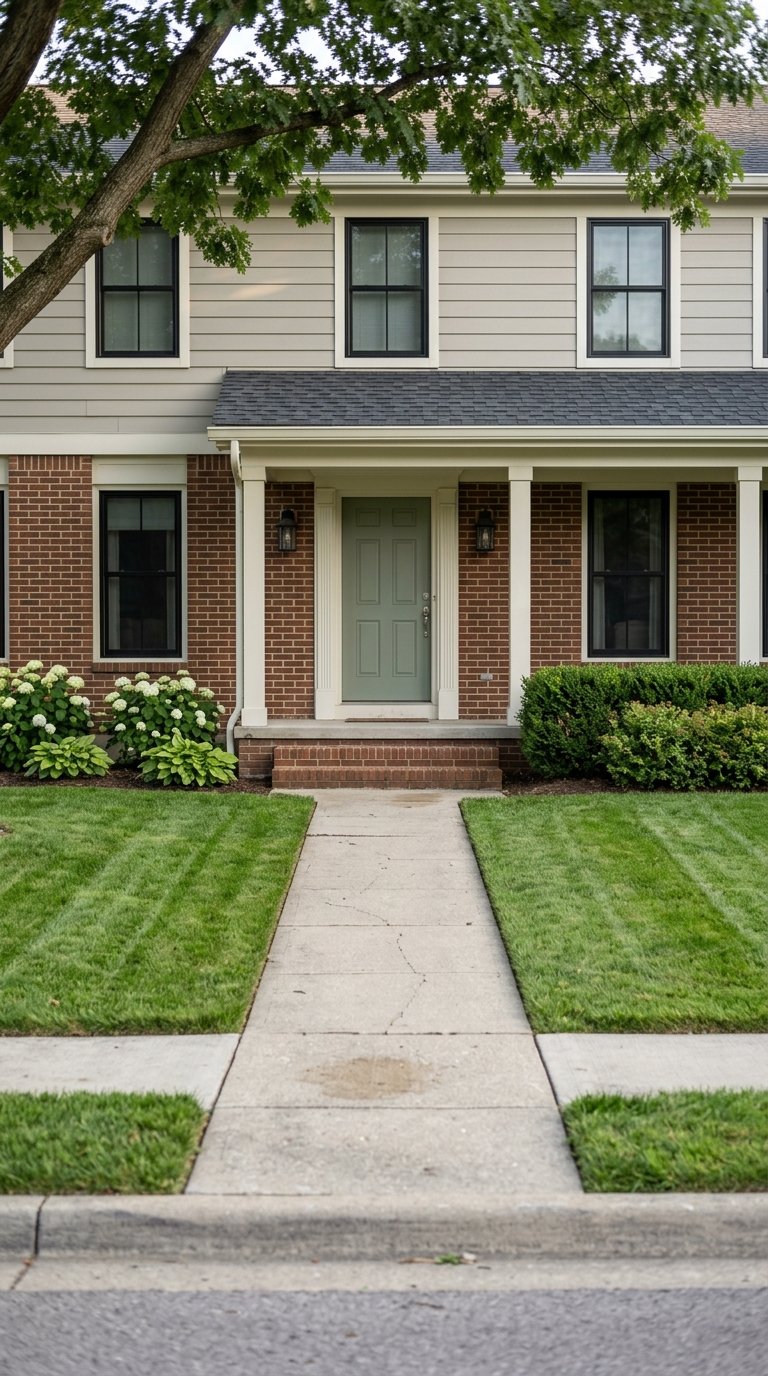
Neighborhood guides commonly describe Oak Park housing as including many 1950s and 1960s ranch, split-level, and bi-level homes, often with larger yards and off-street parking. That can be a plus if you like established homesites and a more traditional layout. It can also mean you should pay close attention to condition and possible updates when touring homes.
Jeffersonville’s 2026 housing needs assessment also helps explain Oak Park’s identity. The city remains mostly single-family, while also identifying a need for more apartments, townhomes, duplexes, and other smaller-scale housing types. Compared with newer infill or mixed-use areas, Oak Park feels more rooted in that traditional single-family pattern.
When Oak Park Makes Sense
Oak Park could be the right choice for you if your priorities include:
- Mature trees and shaded streets
- A long-established residential feel
- Neighborhood park access
- A price point that is often lower than downtown
- Larger yards and off-street parking compared with more urban areas
If that sounds like your day-to-day lifestyle, Oak Park may deserve a close look.
How Downtown Jeffersonville Compares
Downtown Jeffersonville offers a very different experience. The Spring Street Master Plan describes historic Spring Street as the heart of downtown, with buildings, shops, and restaurants lining the sidewalk edge. Recent public investment around the Big Four Bridge, Jeffersonville Marina, RiverStage, and the Ohio River Greenway has also been followed by new restaurants, shops, a hotel, and residential infill.
For buyers who value walkability, downtown has a clear edge. Big Four Station connects to the Big Four Bridge and welcomes pedestrians and bicyclists from Louisville, while Chestnut Street connects that landing to Spring Street retail and restaurants. If you want to be close to events, dining, and riverfront activity, this area offers a different kind of convenience than Oak Park.
Downtown also has a different price band. As of May 2026, downtown Jeffersonville had a median listing price of $330,000, with 8 homes for sale and a median of 41 days on market. For many buyers, the decision between Oak Park and downtown comes down to whether you value walkable access enough to justify the higher entry point.
Where NoCo Fits In
NoCo adds another downtown-adjacent option. The city describes the NoCo Arts and Cultural District as walkable, colorful, and home to artists, makers, historians, and inventors. It is being developed within 22 acres of previously blighted downtown land and includes a community arts center, makers space, a pocket park, and nearby museums.
If you want a neighborhood with a more urban, creative, and evolving feel, NoCo may be worth comparing alongside downtown proper. It shares much of the same walkability appeal, while offering a distinct identity tied to arts and cultural investment.
When Downtown or NoCo Makes Sense
Downtown Jeffersonville or NoCo may be a better fit if you want:
- Walkable access to restaurants and shops
- Easier participation in local events
- A riverfront connection and proximity to the Big Four area
- A more urban, mixed-use setting
- A lifestyle centered on being out and about rather than staying tucked into a residential street pattern
If you picture yourself walking to dinner or spending time near public events and gathering spaces, these areas may feel more natural than Oak Park.
How the 10th Street and I-265 Side Compares
The east side of Jeffersonville, especially near 10th Street and I-265, serves a different purpose for many buyers. Jeffersonville’s 10th Street Corridor Master Plan describes 10th Street as the city’s primary arterial and a crosstown connector from I-65 to I-265. In simple terms, that side of town is more about access and everyday convenience.
This area also reflects ongoing growth and redevelopment. The city’s plans note shifting retail patterns, auto-oriented uses in some sections, and long-term efforts to improve redevelopment potential and aesthetics. If your priority is practical access to shopping, work routes, and regional travel, this part of town may check more boxes than Oak Park or downtown.
Jefferson Ridge, near 10th Street and I-265, is planned as a mixed-use center for retail, restaurants, office, hospitality, and possibly residential uses. That reinforces the idea that this side of town is more convenience-first than character-first. For some buyers, that is exactly the right tradeoff.
Newer Homes on the East Side
If you are comparing Oak Park with newer construction, the east side becomes especially relevant. Springdale Meadow, one of Jeffersonville’s newest neighborhoods, will include 10 homes starting at $260,000. Each home is planned with 3 bedrooms, 2 baths, a two-car garage, granite countertops, and a covered back patio.
That gives you a useful benchmark. Oak Park may offer more mature landscaping and an established setting, while east-side new construction may offer newer finishes and a more current floor plan. The better choice depends on whether you value age and character or newer design and lower immediate maintenance risk.
When the 10th Street and I-265 Side Makes Sense
This part of Jeffersonville may work best for you if you care most about:
- Newer homes or newer development patterns
- Easy access to shopping and major corridors
- Regional convenience for work and daily errands
- A practical layout for getting around by car
Jeffersonville’s housing report says 63% of residents report a commute of less than 25 minutes, but the actual experience depends on where you are headed. That is why it helps to test routes that matter to your routine rather than assuming one area is best for every schedule.
Questions to Ask Before You Decide
Once you narrow down your favorite area, ask questions that connect to your real life. The right neighborhood is usually the one that supports how you live each day, not just what looks best online.
Here are smart questions to ask while touring and comparing homes:
- Is this an older home that may need roof, HVAC, electrical, plumbing, or window updates soon?
- If you are looking in Oak Park, what does the Oak Park Conservancy District fee cover, and how is it billed?
- Which elementary, middle, and high school is this exact address zoned for? Greater Clark County Schools uses street-by-street boundary tools, so assignment should be verified by address.
- How long does your normal commute take at rush hour to the places you actually need to go?
- How important are yard size, shade trees, and a quieter residential setting compared with walkability to restaurants and events?
- Are you paying for mature landscaping and neighborhood character, or for newer construction and a more modern layout?
The Best Choice Comes Down to Lifestyle
There is no one-size-fits-all answer between Oak Park and other Jeffersonville neighborhoods. Oak Park stands out for mature trees, established homes, neighborhood park access, and a price point that is often lower than downtown. Downtown and NoCo stand out for walkability, dining, events, and riverfront energy. The 10th Street and I-265 side stands out for convenience, newer development, and access to major routes.
If you focus on how you want your days to feel, the right choice usually becomes clearer. And when you pair that lifestyle vision with smart home touring and local guidance, you can make a move that feels right both now and later.
If you want help comparing Oak Park with downtown, NoCo, or Jeffersonville’s east-side options, Sean Sampson can help you sort through the tradeoffs and find the area that fits your goals.
FAQs
Is Oak Park more affordable than downtown Jeffersonville?
- As of the latest market snapshots in the research, Oak Park had a median listing price of $250,000, while downtown Jeffersonville had a median listing price of $330,000.
What type of homes are common in Oak Park, Jeffersonville?
- Oak Park is commonly described in neighborhood guides as having many 1950s and 1960s ranch, split-level, and bi-level homes, often with spacious yards and off-street parking.
Is downtown Jeffersonville more walkable than Oak Park?
- Yes. Downtown Jeffersonville has the clearest walkable access to Spring Street shops and restaurants, Big Four Station, and riverfront-related amenities and events.
What makes the 10th Street and I-265 area different from Oak Park?
- The 10th Street and I-265 side is more focused on corridor convenience, shopping access, newer development, and regional travel routes, while Oak Park is more established and residential.
What should you ask when touring an Oak Park home?
- Ask about the age and condition of major systems, whether there are likely update needs, what the Oak Park Conservancy District fee covers, and which schools the exact address is zoned for.
How do you choose between Oak Park and other Jeffersonville neighborhoods?
- Start with your daily priorities, including budget, walkability, yard size, home age, commute patterns, and whether you prefer established character or newer construction.